November 16, 2026
Gutter Cleaning Hackettstown: Why Prevention Beats Repair
By @israelpqfp157
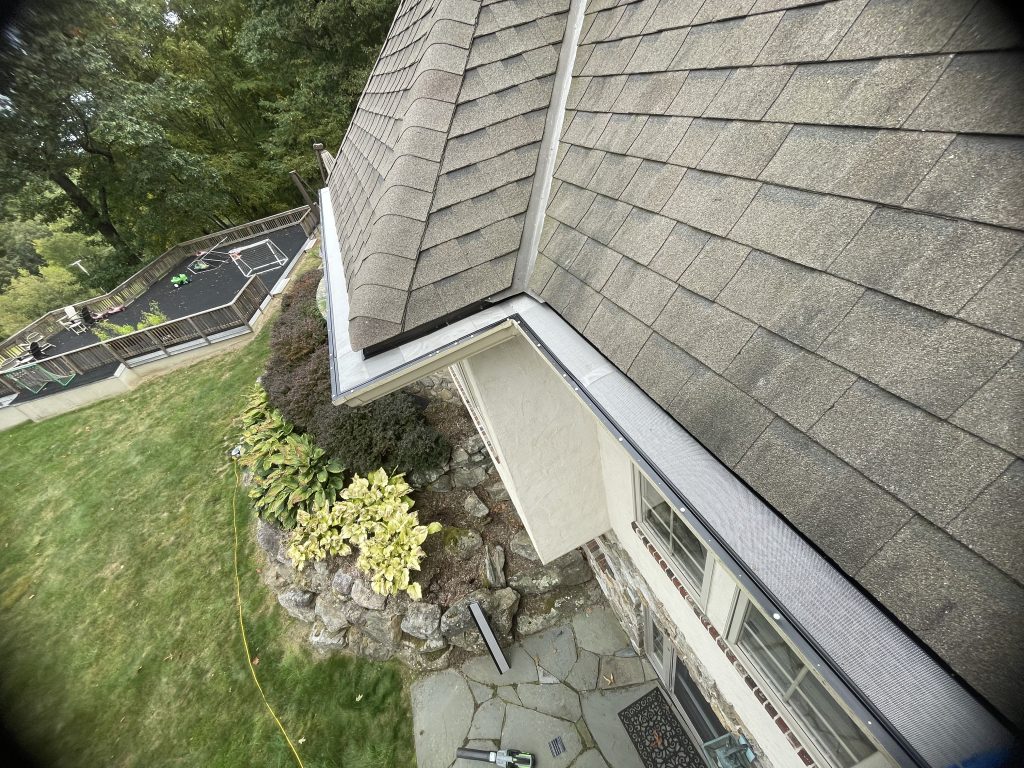

Homeowners rarely think about gutters on a clear day. The roof looks fine from the driveway, the siding seems clean enough, and nothing appears urgent. Then a hard rain hits Warren County, water spills over the edge instead of moving through the downspouts, and suddenly a system that seemed minor becomes very expensive.
That is the real reason Gutter Cleaning Hackettstown matters. Gutters are not decorative trim. They are the roof drainage system that protects the fascia, the siding, the soil around the foundation, the basement, the walkways, and in winter, even the safety of anyone entering the home. When they clog, the damage does not always show up right away. It often starts quietly, behind the scenes, with moisture where moisture should never stay.
Preventive gutter care is not glamorous work, but it is one of the clearest examples of a small maintenance task saving a homeowner from large repair bills. In a place like Hackettstown, where leaf fall can be heavy and winter conditions can turn minor drainage problems into freeze-thaw damage, waiting until something breaks is usually the most expensive route.
The hidden cost of doing nothing
A clogged gutter rarely fails all at once. More often, it loses function little by little. Leaves settle in the trough. Fine debris packs around the outlet. Granules from asphalt shingles mix with dirt and hold moisture like wet compost. What began as a narrow path for water becomes a trough full of mulch.
At that point, rainfall has nowhere to go. Instead of moving to the downspout, water backs up and spills over the front edge or, worse, over the rear edge against the fascia board. The front overflow is obvious. You can sometimes see streaking on the gutter face or erosion in the flower beds below. The rear overflow is the one that catches people off guard because it sends water into the roof edge, soffit, and wood trim where damage can stay hidden until paint peels or rot sets in.
The repair chain that follows can be frustratingly broad. One clogged section can contribute to warped fascia, stained siding, loosened gutter fasteners, cracked masonry joints, washed-out mulch, settled pavers, and damp basement walls. On homes with older foundations or poor grading, repeated overflow can worsen seepage problems that people mistakenly blame on the basement itself. The source may be twenty feet above their heads.
That is why prevention beats repair. Cleaning a gutter is targeted maintenance. Repairing what neglected gutters damage often means hiring several trades, each addressing a symptom of the same basic problem.
Why Hackettstown homes are especially vulnerable
Hackettstown has the kind of seasonal pattern that tests roof drainage systems. Spring brings pollen, seed litter, and steady rain. Summer storms can dump a lot of water in a short window. Fall loads gutters with oak, maple, and other leaf debris. Winter then freezes whatever water remains trapped in clogged sections.
That cycle matters. A gutter that is merely sluggish in October can become a structural problem in January. Standing water expands when it freezes. Ice adds weight. Fasteners pull loose. Seams open up. Downspouts can split, especially if they are already packed with debris. Once snowmelt arrives, the system is less able to handle runoff, and water can back up under the lower edge of shingles.
Homes surrounded by mature trees face the most obvious risk, but tree-free lots are not immune. Roofing granules, twigs, windblown debris, and nests can clog outlets even where leaf volume is modest. Single-story ranch homes often seem safer because access looks easier, yet they are just as vulnerable to overflow at the foundation line. Taller homes have a different issue: by the time overflow becomes visible from the ground, the blockage may already be severe.
I have seen homeowners assume their gutters were fine because water was still coming out of one downspout. The trouble was that another downspout on the same run had already clogged solid, forcing water to pool and overflow elsewhere. Gutters do not need to fail everywhere to cause damage. One weak section is enough.
What preventive cleaning actually protects
People usually think first about the gutter itself, but the gutter is only the start. A functioning drainage system protects the entire building envelope and the area around it.
Consider the roof edge. When debris traps moisture, the gutter stays wet for long periods. That dampness transfers to adjoining wood trim and can shorten the life of paint and sealants. On older homes, especially those with original or aging fascia boards, chronic moisture exposure often leads to soft spots that do not become obvious until someone tries to resecure a loose hanger and finds the wood crumbling.
Then there is the siding. Overflowing water can leave dark streaks, splash mud onto lower walls, and feed mildew growth in shaded areas. Brick and masonry homes have their own version of this problem. Repeated runoff against one section can encourage efflorescence, mortar wear, and staining that is difficult to clean evenly.
Foundation protection is where routine gutter service often pays for itself. Gutters are designed to intercept roof runoff and send it away from the house. If that water instead lands in the same narrow strip of soil right next to the wall, it saturates the area where you most want stability. During prolonged wet periods, that can increase hydrostatic pressure around basement walls. During freeze-thaw cycles, it can contribute to shifting, cracking, or movement in hardscape near entry points.
https://edwinrmjz678.rivertonbrief.com/posts/diy-vs-professional-gutter-cleaning-in-hackettstownThe landscaping suffers too. Fresh mulch washes away quickly under concentrated roof runoff. Shrubs planted below roof valleys often take the worst hit because those spots already channel more water. I have seen neatly edged beds develop trenches after just a few storms because the gutter above was partially blocked and spilling in one concentrated sheet.
Repair bills add up fast
Preventive maintenance feels optional when nothing dramatic is happening. Repairs feel mandatory because by the time they are visible, the home is already taking damage. The financial difference between those two situations is usually stark.
A standard cleaning visit is predictable and relatively contained. Repairs are not. Once water gets behind trim or into wall assemblies, you are no longer dealing with a simple drainage issue. You may need carpentry, painting, masonry work, waterproofing, or replacement sections of gutter. If winter ice has pulled part of the system loose, the repair may also involve rehanging long runs, resealing joints, and replacing bent or distorted sections.
The most frustrating part for homeowners is that the original cause often looks small in hindsight. A mat of wet leaves over a downspout opening does not seem like something that should lead to interior stains or rotted wood. Yet that is exactly how many of these repair stories begin.
One common example is the front entry. Gutters above porches and doors do a lot of work because they protect heavily used access points. When those sections clog, overflow can drip directly onto steps and landings. In warm months, that causes staining and slippery algae. In cold months, it can form ice where people walk every day. A cleaning appointment is cheaper than a fall, and far cheaper than replacing damaged trim around an entry roofline.
Timing matters more than people think
Many homeowners ask how often gutters should be cleaned. There is no universal answer because the right schedule depends on trees, roof design, weather exposure, and the amount of debris the house collects. In Hackettstown, a once-a-year cleaning is enough for some homes, while others need attention more often.
The pattern that makes the most sense in practice is usually tied to the seasons. Fall is the obvious heavy-debris period, but spring matters too because winter can leave compacted material behind and spring storms quickly reveal any drainage weakness. Homes under dense tree cover, especially where leaves and small twigs collect on roof valleys, may need a mid-season inspection as well.
Here is a practical rule of thumb that works for many properties:
- Inspect in early spring after the freeze-thaw cycle has passed.
- Clean again in late fall after most leaves have dropped.
- Check sooner after major storms if you notice overflow, sagging, or downspouts running weakly.
- Increase frequency if the home sits under mature trees or has several roof valleys feeding one gutter run.
That schedule is not excessive. It is measured, realistic, and usually enough to catch developing issues before they become repairs.
The signs that should never be ignored
Some warning signs are dramatic, like a gutter pulling away from the house. Others are subtle and easy to dismiss. The subtle ones deserve more attention because they often appear first.
If you see water spilling over the gutter edge during normal rainfall, not just during a rare cloudburst, there is likely a blockage or pitch problem. If one downspout trickles while another gushes, flow may be restricted upstream. Staining on siding below the roofline, small piles of shingle granules near downspout exits, and plant growth inside the gutter are all signs that debris has been sitting too long.
Another giveaway is the sound. A healthy system has a consistent runoff pattern in rain. A clogged one often produces isolated drips, splashes, and heavy pouring from spots where water should not be leaving the system at all.
You can also learn a lot just by looking at the ground. Washed-out mulch, unusually deep splash marks, and soil erosion along one wall often point back to roof drainage. Homeowners sometimes fix the landscape repeatedly without solving the actual cause. If the bed keeps washing out in the same location, look up.
Why simple cleaning is not always simple
From the ground, gutter cleaning can look like a straightforward chore. On a stable, single-story home with easy ladder access and light debris, it may be manageable for some property owners. But many houses in and around Hackettstown present complications that make the work more technical than it appears.
Roof height is the most obvious factor, but not the only one. Sloped ground, tight side yards, power lines, landscaping obstructions, attached decks, and awkward roof transitions all affect safety and access. Wet leaves are heavy. Compacted debris often needs to be loosened by hand. Downspouts can appear clear from the top but still hold obstructions lower down. If the system has hidden drainage issues, cleaning alone may not solve the problem.
There is also the question of what you find once the debris is gone. Gutters may be improperly pitched, loosely fastened, or undersized for the roof area feeding them. Splash blocks may be missing, extensions may discharge too close to the foundation, and corners may leak only under full flow conditions. A careful service visit should do more than remove debris. It should assess whether the whole system is actually managing water the way it should.
That judgment is where experience matters. A technician who has seen many local homes can often spot recurring trouble points quickly, especially on houses with mature tree cover or older gutter systems that have settled over time.
The value of local knowledge
Gutter Cleaning Hackettstown is not just about clearing leaves. Local conditions shape how gutters fail and how often they need attention. Homes near dense tree lines tend to collect debris differently from those in open developments. Older neighborhoods may have houses with original trim details and drainage layouts that need a gentler, more observant approach. Newer homes can have long runs and complex rooflines that channel surprising volumes of water into a few sections.
A local provider also tends to understand the rhythm of the seasons here. There is a difference between cleaning too early in the fall, before the real leaf drop, and scheduling after the bulk of the debris has already landed. There is a difference between a light spring touch-up and a full post-winter service on a shaded property where ice and packed debris linger.
That kind of timing is hard to standardize from a call center script. It comes from seeing how actual homes perform across multiple seasons.
Gutter guards help, but they do not erase maintenance
Many homeowners ask whether gutter guards eliminate the need for cleaning. Usually, they reduce it. They do not erase it.
Some guard systems do a good job of keeping out larger leaves while still allowing water to enter. Others struggle with pine needles, seed pods, roof grit, or the fine organic matter that turns into sludge over time. In certain situations, guards can make it harder to see a developing blockage until overflow becomes obvious. They can also trap debris on top, especially in valleys or beneath overhanging branches, which changes the maintenance task rather than removing it.
This does not mean guards are a bad investment. On some homes, they are worthwhile, particularly where tree cover is heavy and gutter access is difficult. But they work best when installed on a sound, properly pitched gutter system and followed by periodic inspection. Anyone promising zero maintenance is promising too much.
Prevention protects more than materials
There is a tendency to talk about gutters only in terms of wood rot and water management, but the practical benefits are broader than that. A clear drainage system protects daily use of the home. It keeps entry areas drier. It reduces slip hazards. It helps preserve exterior paint and curb appeal. It lowers the chance of water finding its way into a basement storage area after a long storm.
It also protects a homeowner from the stress of emergency timing. Repairs never seem to happen on a calm, convenient afternoon. They show up during heavy rain, during a cold snap, right before guests arrive, or when the budget is already committed elsewhere. Preventive service shifts the work out of crisis mode. That alone has value.
I have seen homeowners put off cleaning because they did not notice any active leak, only to call later when water was pouring over a front corner onto a walkway. The eventual job involved not just cleaning, but rehanging a sagging section, replacing softened fascia, and addressing stained soffits. Nothing about that was mysterious. The house had been signaling the problem for months. It just had not seemed urgent until it was.
What a good maintenance approach looks like
The best gutter maintenance is boring in the best sense of the word. It happens on a sensible schedule, gets done thoroughly, and prevents drama. The home never has to prove how badly it can be damaged because the system keeps working.
A solid service approach usually includes debris removal from gutters, checking and clearing downspouts, observing flow where needed, and noting any signs of loose fasteners, poor pitch, seam leaks, or drainage discharge too close to the foundation. It should also account for nearby roof conditions, such as valleys that dump concentrated debris into one area or overhanging limbs that repeatedly refill cleaned sections.
For homeowners, the key is consistency. A house that needed frequent cleanup three years ago probably still needs it now, unless the surrounding conditions changed. Trees mature, not the other way around. Minor pitch issues do not self-correct. If anything, neglected systems become less forgiving over time.
The long view pays off
Home maintenance is full of choices between visible upgrades and quiet prevention. New finishes get attention. Routine drainage care does not. Yet one of those categories protects the other.
When gutters work properly, they help preserve siding, trim, paint, walkways, landscaping, and the foundation. They manage stormwater before it can become a repair problem. They reduce winter icing at entries. They support the broader health of the house in a way few people notice until it stops.
That is why Gutter Cleaning Hackettstown deserves to be treated as preventive care, not as an afterthought. The cost of routine service is usually modest compared with what even one neglected season can set in motion. Clean gutters may not be exciting, but neither is replacing fascia, repainting soffits, regrading flower beds, or dealing with basement moisture after a storm.
Prevention wins because it keeps small issues small. For a home in Hackettstown, that is not just maintenance. It is good judgment.
Just Gutters LLC
Address: 262 Main St, Hackettstown, NJ 07840
Phone number: +12013319454
FAQ About Gutter Cleaning Hackettstown
How much should a gutter clean cost?
Professional gutter cleaning typically costs between $163 and $333, with a national average of around $210 to $250 for a standard-sized home.
What months should you clean gutters?
You should clean your gutters twice a year—once in late autumn (November to December) and once in late spring (April to May).
Is it worth paying for gutter cleaning?
Yes, paying for gutter cleaning is worth it because it prevents thousands of dollars in water damage, roof leaks, and structural repairs.
❧